
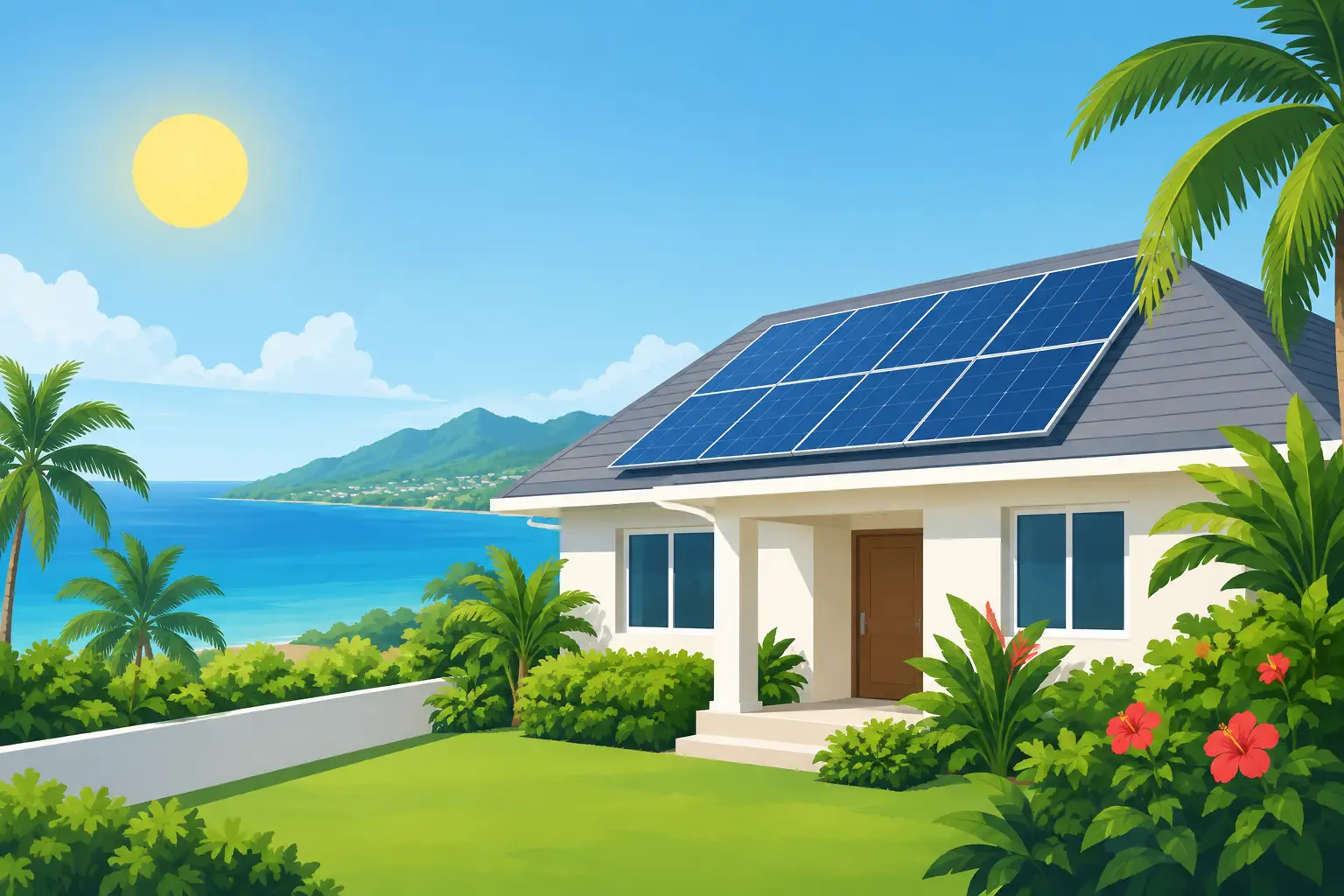
Why Install Home Solar at Your Jamaica Home?
A peaceful morning in St. Mary should begin with Caribbean light, birdsong, and coffee on the veranda - not concern over the next utility bill or a disruption to the day’s plans. When you install home solar, you are making a thoughtful investment in the way your home feels, performs, and supports the life you came to Jamaica to enjoy.
For buyers seeking a vacation residence, retirement home, relocation property, or a long-term investment, solar power offers more than an environmental benefit. It creates a stronger sense of independence while complementing the relaxed, health-minded lifestyle that makes Jamaica so compelling. The right system can support modern comforts without asking you to compromise on the beauty, privacy, and refinement of your home.
Solar Power Is a Lifestyle Decision
A solar-equipped home is not necessarily about living with less. It is about designing a home that is better prepared for the way you want to live. In a destination where sunshine is abundant, capturing that energy can help power the features that make daily life comfortable: lighting, refrigeration, internet connectivity, entertainment, water systems, ceiling fans, and selected cooling needs.
For an owner who spends only part of the year in Jamaica, solar can also bring welcome reassurance. A carefully designed system may reduce reliance on the grid while helping the home operate efficiently between visits. For a family making Jamaica their permanent base, it can support a more predictable approach to household energy use over time.
The appeal is especially clear in a private, nature-forward setting. Solar panels can turn the sunshine over your quarter-acre lot into a practical resource, allowing the property to reflect your values as much as your personal style. It is sustainable living with the comfort, security, and finish expected from a premium home.
What It Takes to Install Home Solar Successfully
Solar is most rewarding when it is considered early, ideally before construction or during the home selection process. Retrofitting an existing home is entirely possible, but planning ahead gives you more control over panel placement, equipment location, conduit runs, roof design, and future battery capacity.
The process begins with understanding your anticipated energy use. A two-bedroom retreat used on occasional weekends has very different requirements from a full-time family home with extensive air conditioning, a pool pump, home office equipment, and frequent guests. Your solar design should reflect how you will actually use the property, not an idealized version of low-energy living.
A qualified solar professional will typically assess roof orientation, shading from nearby trees, available roof area, local weather conditions, electrical load, and the condition of the home’s electrical system. In Jamaica, the strongest solar opportunity often comes from consistent sunlight, but the design must still account for shade, rain, salt air in coastal areas, and the realities of tropical weather.
Choose the right energy setup
Most homeowners will consider one of three approaches. A grid-tied system is connected to the public utility and uses solar generation to reduce the amount of electricity drawn from the grid. This can be a practical choice where reliable grid service is available and owners want to manage costs without installing extensive battery storage.
A solar-plus-battery system combines panels with stored energy. It is well suited to homeowners who value backup power during outages and greater control over when they use the energy they generate. Batteries add to the upfront investment, but they can make a significant difference to comfort and continuity, particularly for essential loads such as refrigeration, lighting, communications, security systems, and water pumps.
An off-grid system is designed for a property that operates independently from the utility grid. It can be an attractive option for buyers drawn to self-sufficient living, but it requires more detailed planning. The solar array, batteries, inverter capacity, backup generation strategy, and energy habits must work together. Off-grid living can feel wonderfully freeing, though it is not a set-it-and-forget-it decision.
The best option depends on your location, budget, expected occupancy, lifestyle expectations, and tolerance for managing energy consumption. A larger system is not always a better system. The goal is to create a dependable design that supports your priorities elegantly and sensibly.
Start With Efficiency, Then Size the System
Before deciding how many panels to install, look at how the home can use less energy without feeling less luxurious. This is where thoughtful architecture and equipment choices matter. Energy-efficient appliances, LED lighting, insulated roofing, reflective finishes, natural ventilation, and high-efficiency air conditioning can all reduce the demand placed on a solar system.
In the Caribbean, cooling is often the largest part of a household energy load. Ceiling fans, cross-ventilation, shaded outdoor living spaces, and well-positioned windows can reduce the need to run air conditioning continuously. These design decisions make solar more effective because they lower the amount of electricity the home needs in the first place.
Consider separating essential and nonessential loads. During an outage, you may want your refrigerator, lights, Wi-Fi, security equipment, and selected outlets to remain powered, while high-demand appliances operate only when the grid is available or when solar production is strongest. This approach can keep battery requirements realistic without diminishing everyday comfort.
Make room for future needs
Your home’s energy needs may grow after purchase. Perhaps you will spend more time in Jamaica than expected, add an electric vehicle, build a guest cottage, or expand outdoor entertaining areas. Asking for a system that can be expanded later may be wise, even if you begin with a modest installation.
Future-readiness is also valuable for investors. A home designed with solar capacity, battery storage potential, and efficient systems can be more appealing to renters and resale buyers who value lower operating costs and reliable modern amenities.
Protect the Investment With Smart Design and Care
Solar equipment is built to work quietly in the background, but it should not be treated as invisible. High-quality panels, properly rated inverters, battery equipment suited to local conditions, and professional installation are essential. Tropical sun and rain demand materials and workmanship that can stand up to the environment.
Ask clear questions before work begins. Who will handle permits and utility interconnection requirements? What warranties apply to panels, batteries, inverters, and workmanship? Where will batteries and electrical equipment be housed? How will the system be monitored remotely if you live abroad? A capable provider should explain these details in plain language and give you a clear picture of expected performance.
Remote monitoring deserves special attention for second-home owners. A monitoring platform can show whether the system is generating normally, whether batteries are charging, and whether unusual energy use may need attention. It does not replace onsite care, but it gives owners more confidence when they are thousands of miles away.
Maintenance is generally modest, yet it still matters. Panels may need periodic cleaning when dust, pollen, or debris affects performance. Trees should be managed so new growth does not create shade. Your installer should also advise on inspections, inverter checks, battery care, and storm-readiness procedures.
Solar Belongs Naturally in a Sanctuary-Style Community
For buyers who want Jamaica without the rush of urban life, solar supports a more considered kind of ownership. It pairs naturally with spacious lots, landscaped surroundings, wellness amenities, and the comfort of a gated community. At The Sanctuary at Farm Hill, the vision of solar-powered and off-grid/grid-tied living reflects a simple belief: a home in paradise should be as intelligent as it is beautiful.
That does not mean every household should pursue the same setup. A retired couple who visits seasonally may prioritize essential backup power and easy monitoring. A relocating family may want broader battery capacity for daily resilience. An investor may focus on efficient operating costs and guest appeal. Each path can be valid when the system is designed around real needs.
The most satisfying solar decision begins with a clear picture of the life you want to lead at home. Picture the evening lights coming on, the poolside gathering continuing, and the quiet assurance that your home is prepared for tomorrow. That is the kind of freedom solar can bring - not a departure from comfort, but a more lasting way to enjoy it.


Comments